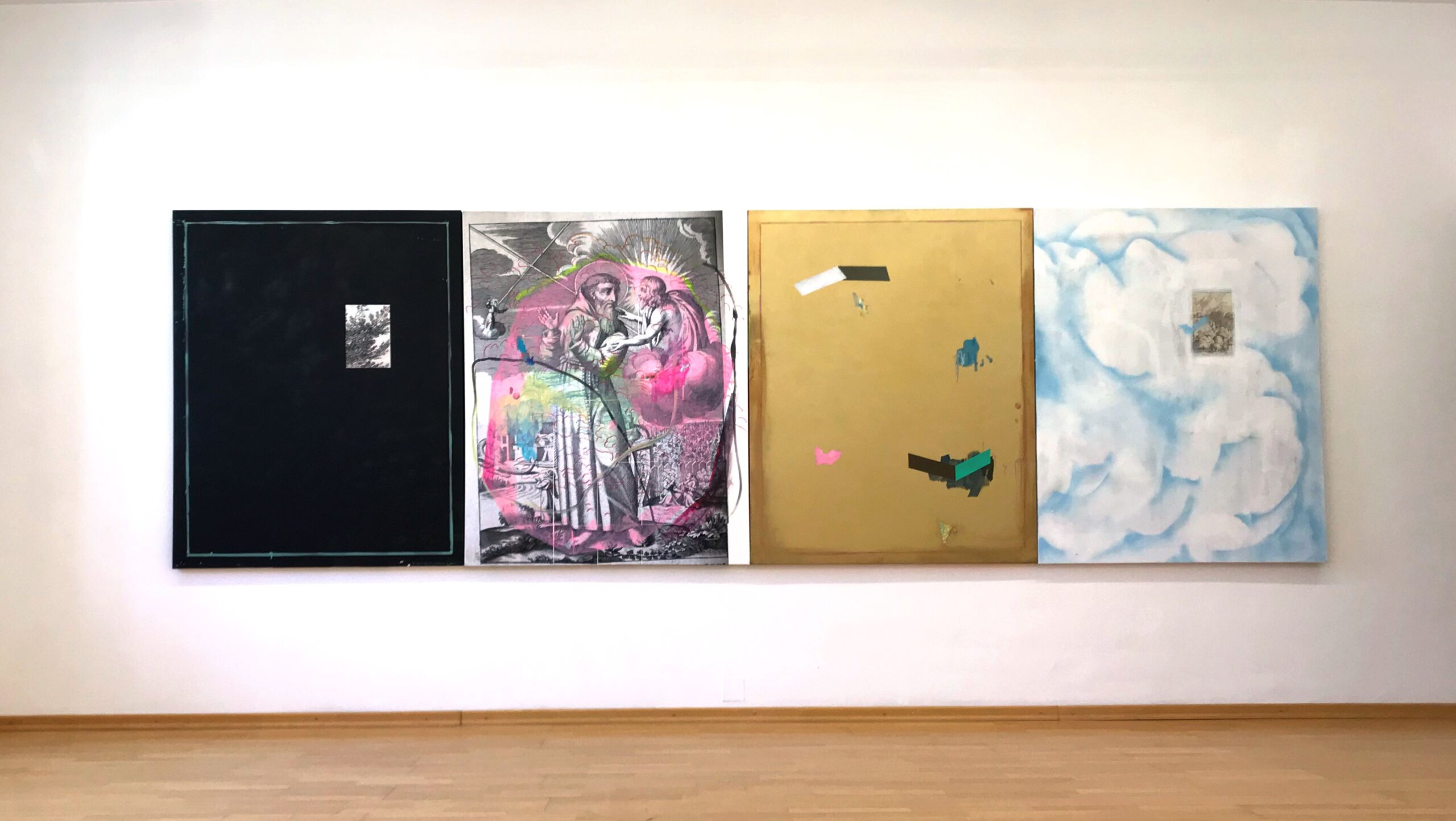
GOLDEN AGE
ACRYLIC ON CANVAS
150 X 120 CM
2018
Die großformatige Bildserie Golden Age aus dem Jahr 2018 setzt sich mit der Idee des Goldenen Zeitalters auseinander, jener utopischen Vorstellung eines vergangenen oder noch bevorstehenden Zustands vollkommener Harmonie zwischen Mensch und Natur und Welt und Gott. Ausgangspunkt bilden arkadische Bildwelten der Renaissance und des Barock, in denen Landschaften als Sehnsuchtsräume inszeniert wurden: als Orte einer idealisierten Existenz jenseits gesellschaftlicher Konflikte, geprägt von Ausgewogenheit, Kontemplation und einer tiefen Verbundenheit mit der Natur.
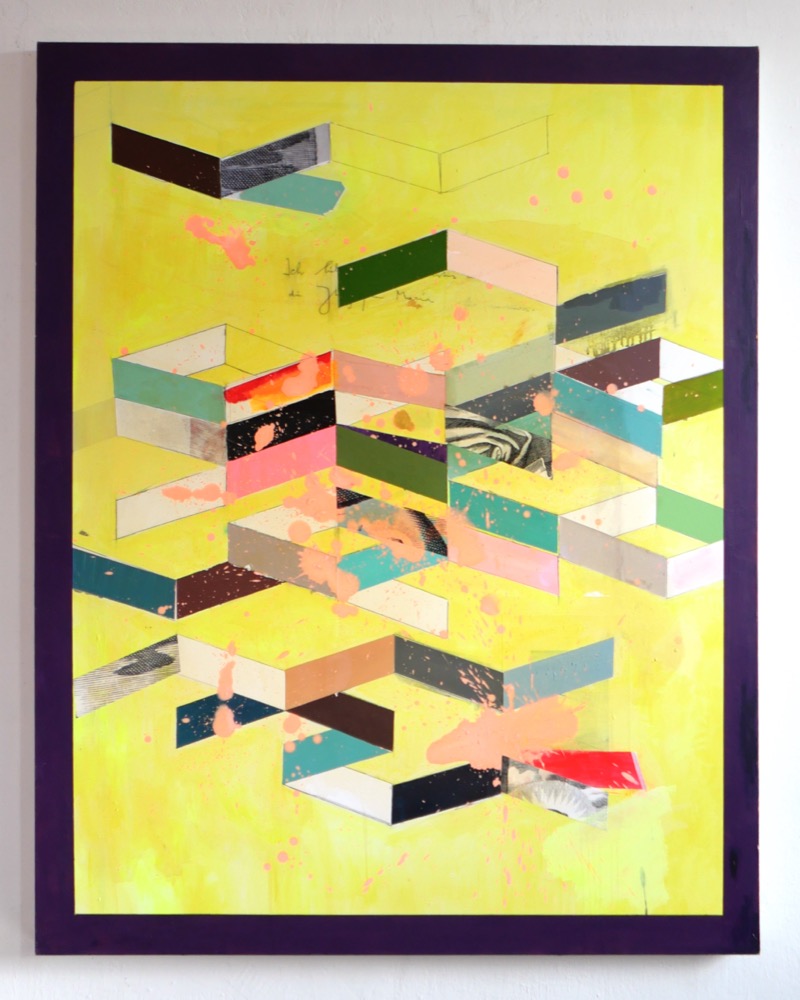
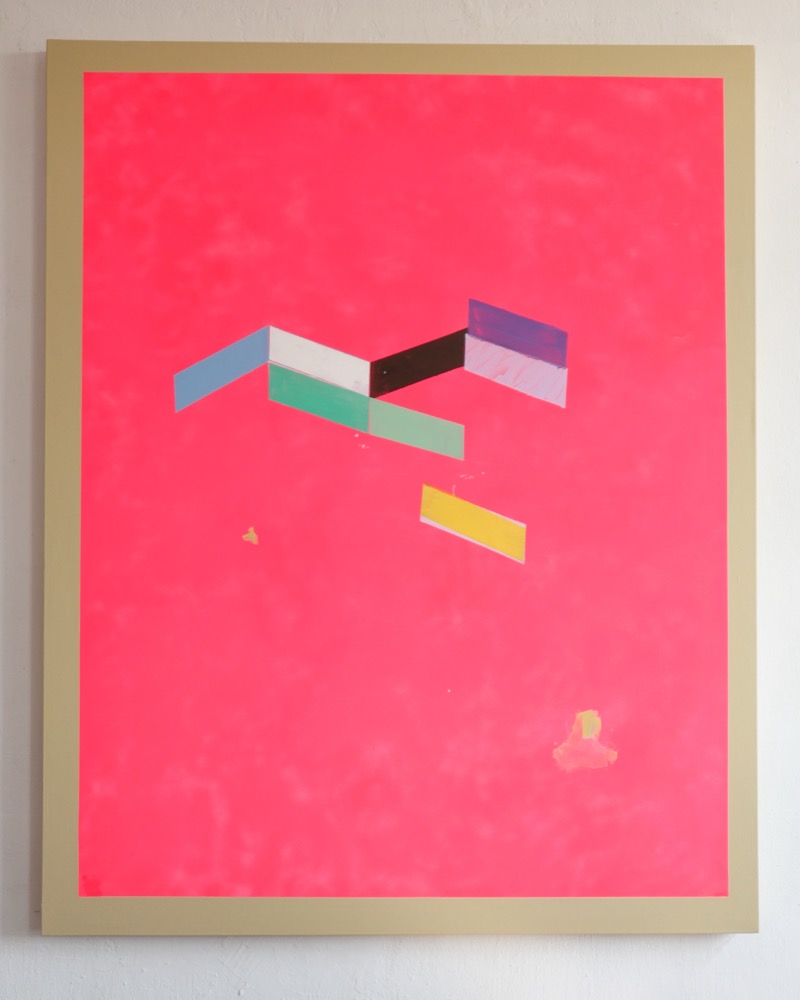
Florian Nährer überführt diese historischen Bildvorstellungen in eine zeitgenössische, radikal reduzierte Formensprache. Die ursprünglichen erzählerischen Elemente der arkadischen Landschaft werden auf ihre wesentlichen strukturellen Komponenten zurückgeführt. Farbe, Fläche und geometrische Ordnung treten an die Stelle von Narration und illusionistischer Darstellung. Die Raute, die als wiederkehrendes geometrisches Motiv innerhalb der Serie erscheint, fungiert dabei als abstraktes Ordnungssystem und verweist zugleich auf die symbolische Bedeutung von Transzendenz.
Ein verbindendes Element der Serie ist der gemalte, schlichte einfarbige Rahmen, der nicht nur als formale Begrenzung dient, sondern die Werke als eigenständige Bildräume definiert. Er erinnert zugleich an historische Tafelbilder und sakrale Bildfassungen, transformiert diese Tradition jedoch in eine zeitgenössische abstrakte Sprache. Der Rahmen wird zum Übergang zwischen realem Raum und imaginiertem Bildraum – zwischen Gegenwart und der utopischen Vorstellung eines anderen Zustands.
Golden Age versteht sich somit weniger als Rückblick auf eine verlorene Epoche, sondern vielmehr als eine Vision der menschlichen Sehnsucht nach einer harmonischen Existenz.
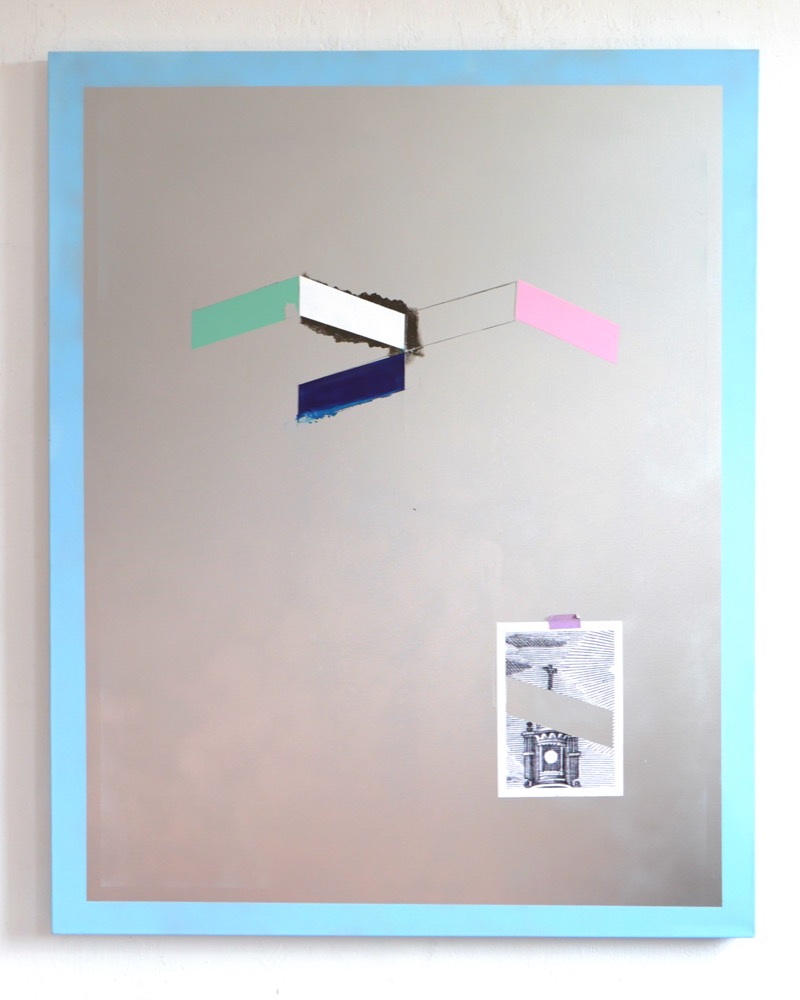
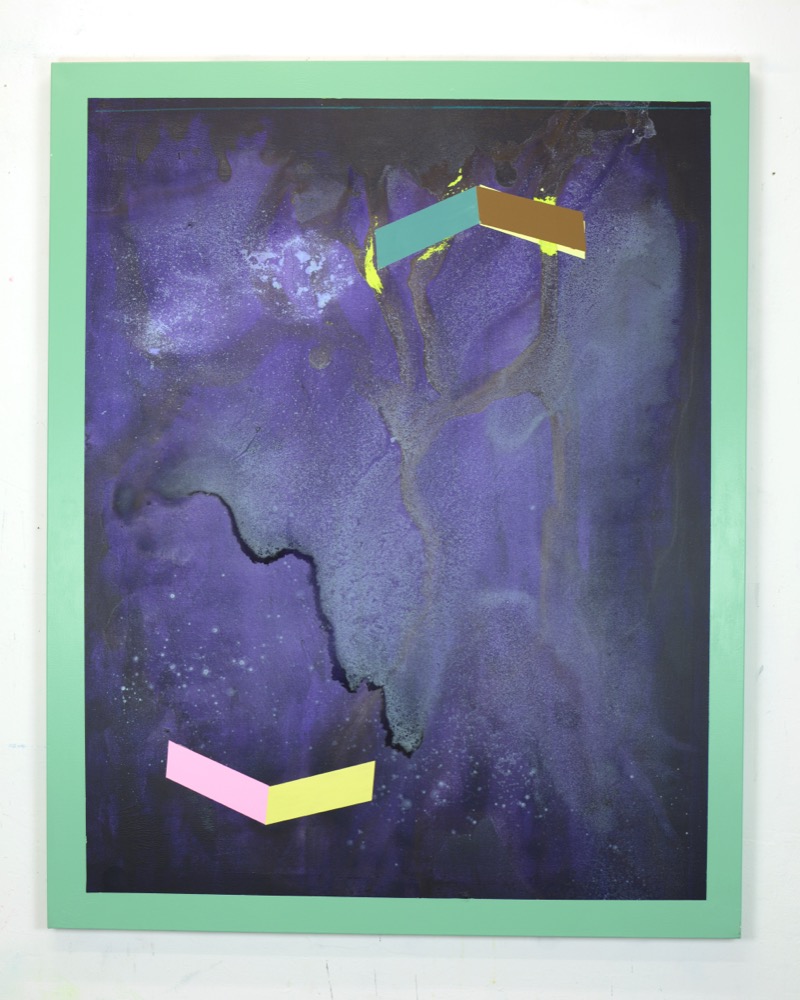
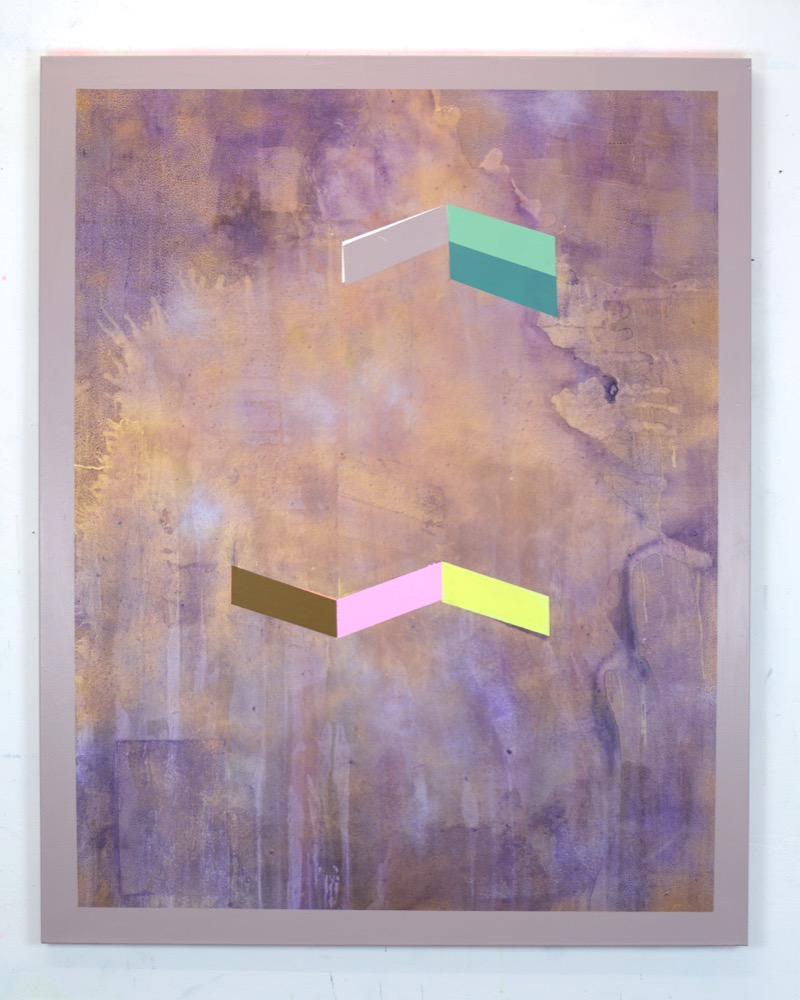
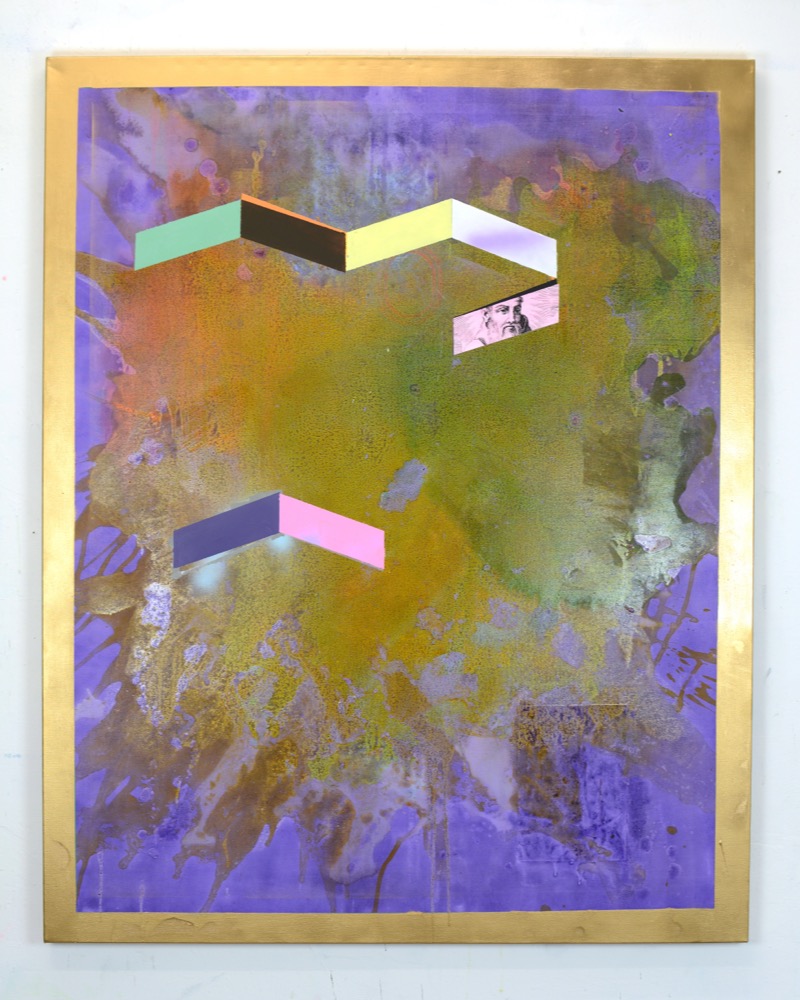
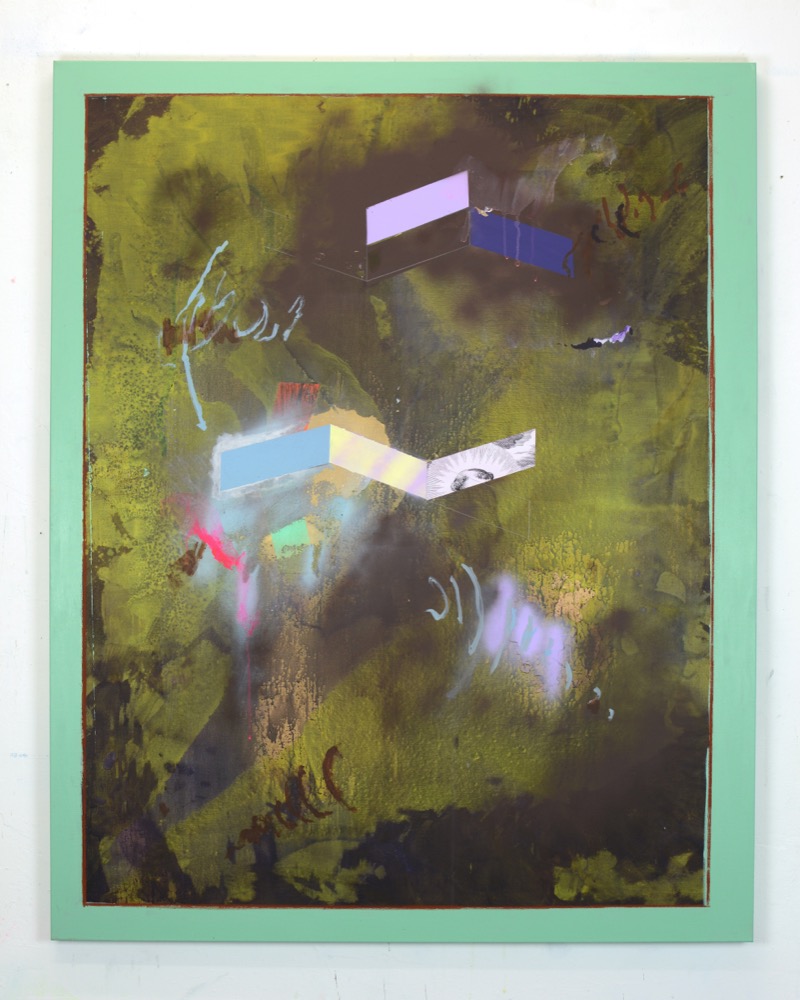
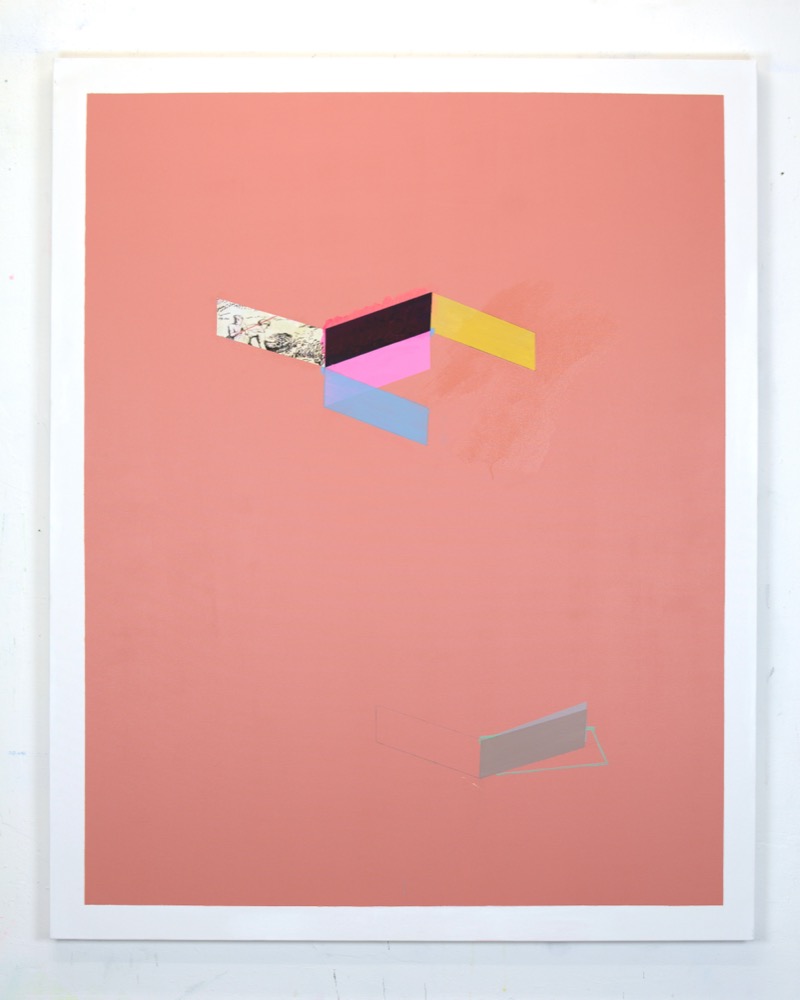
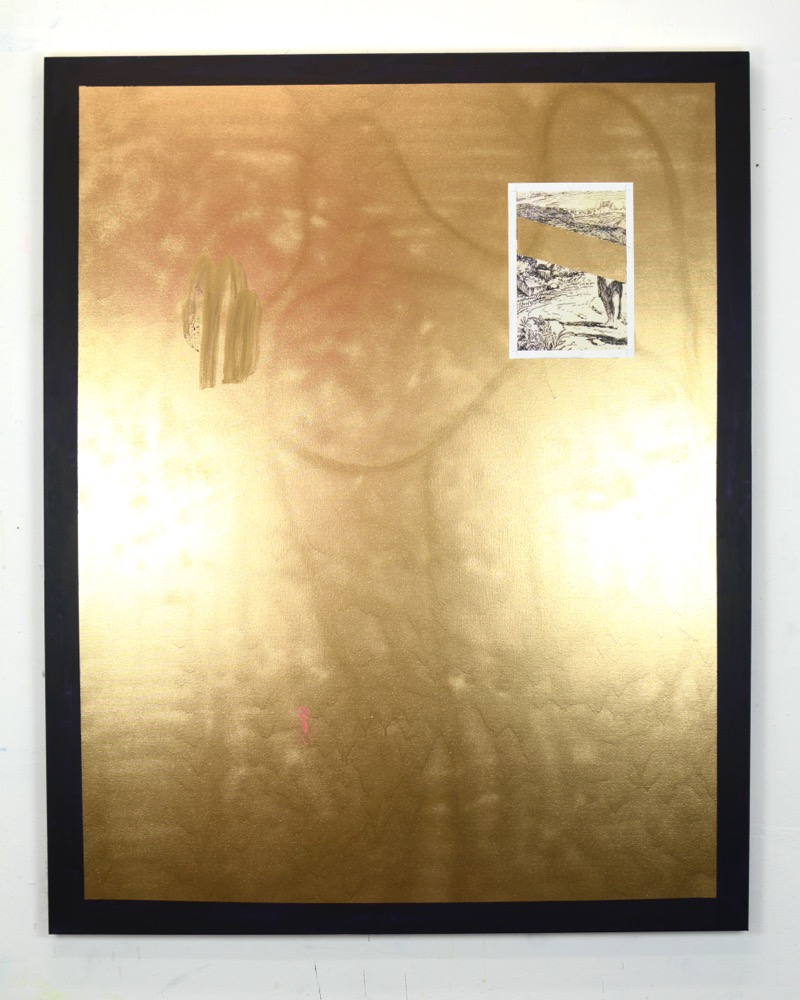
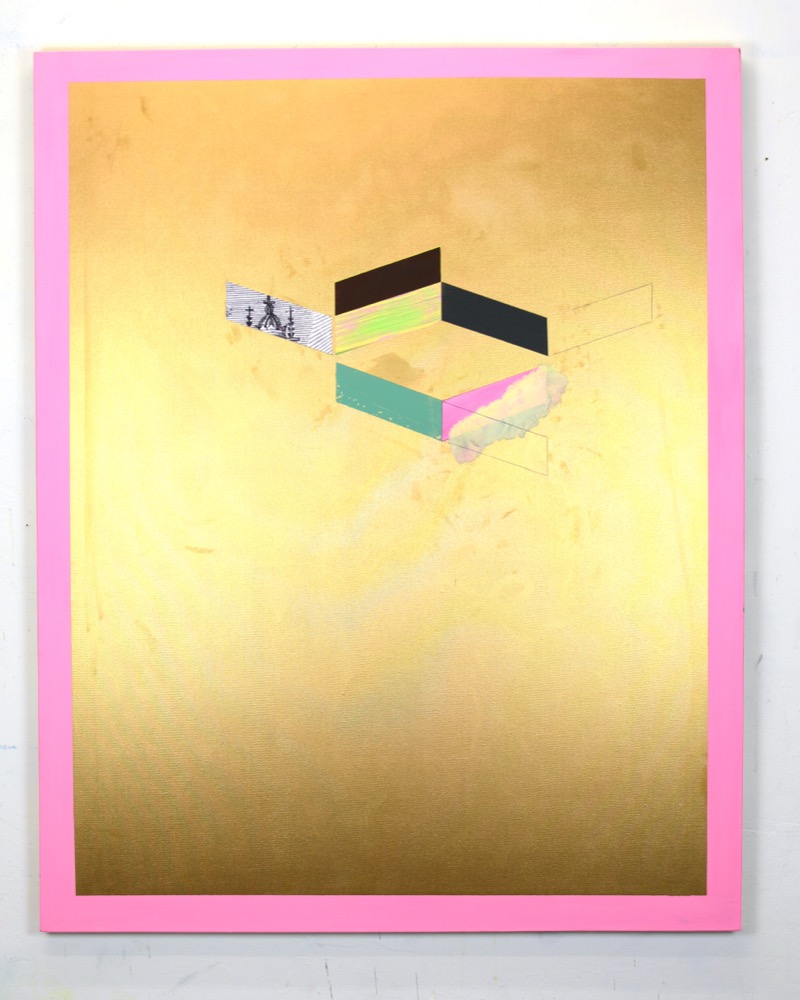
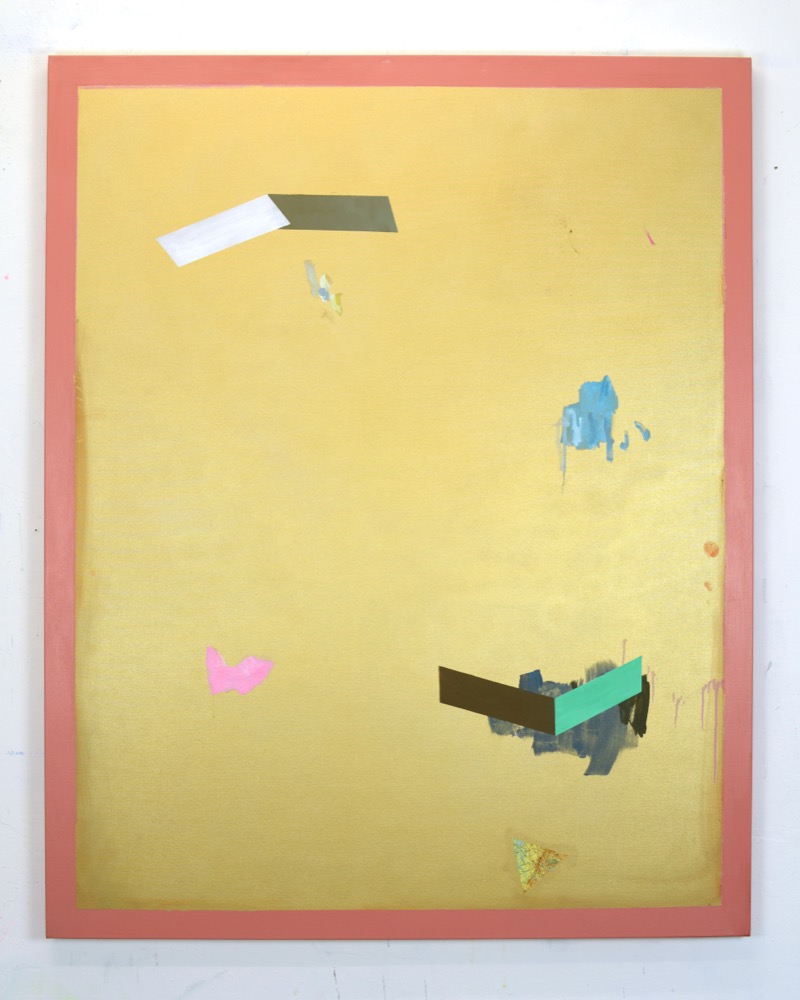
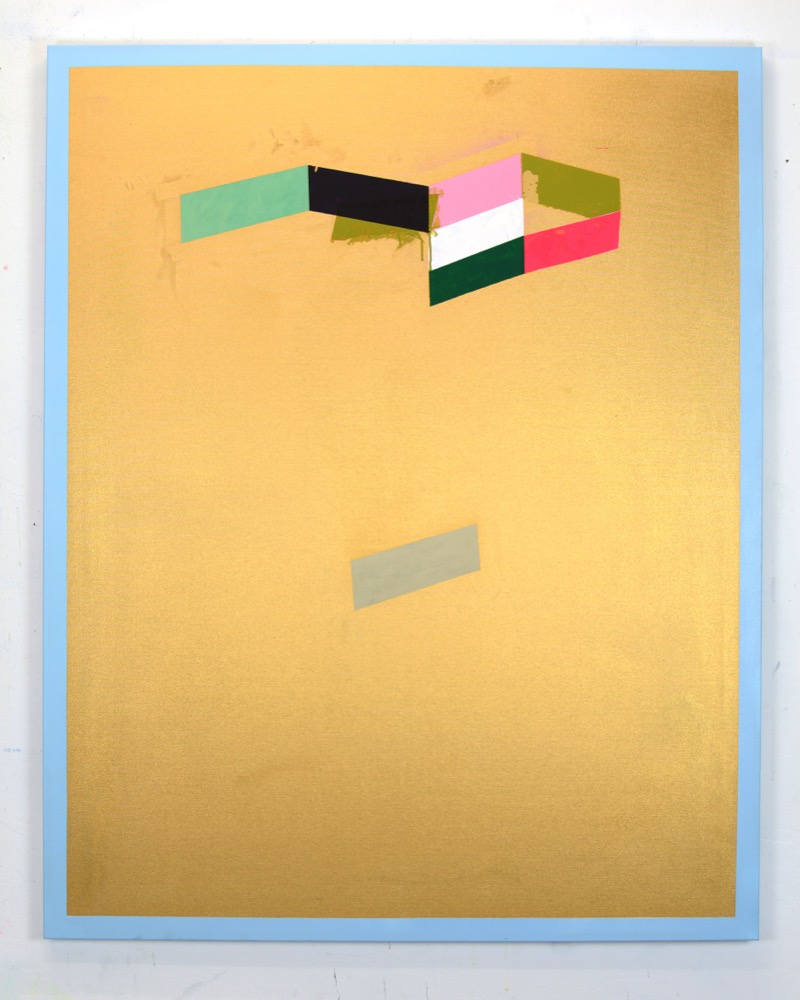
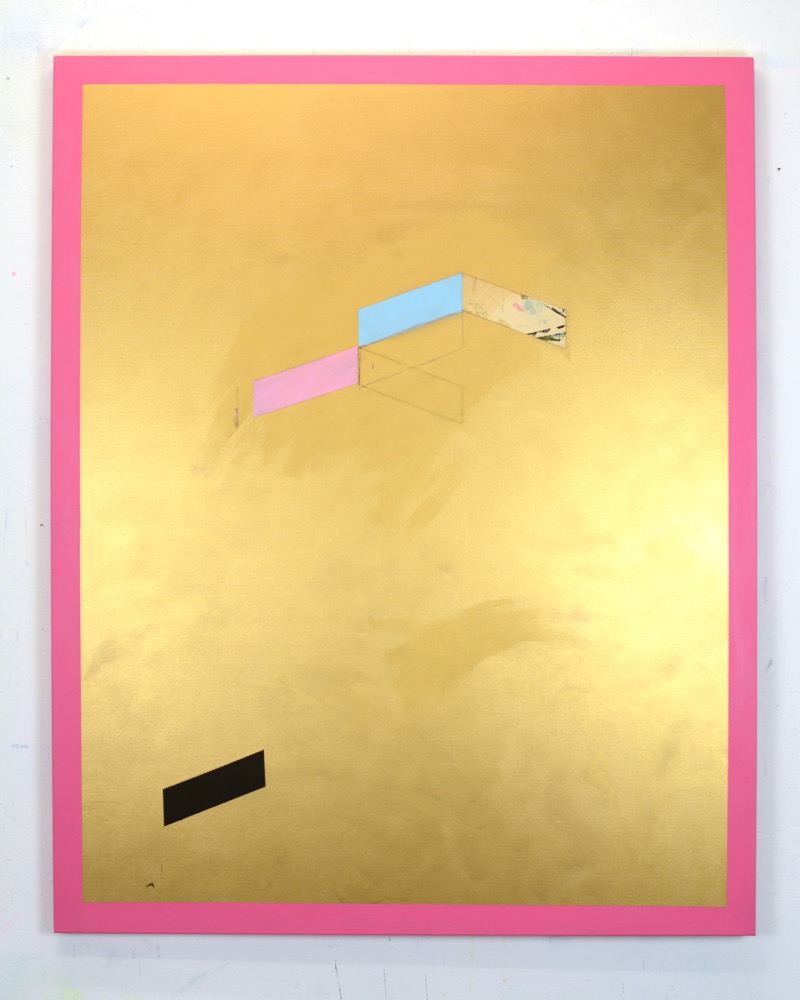
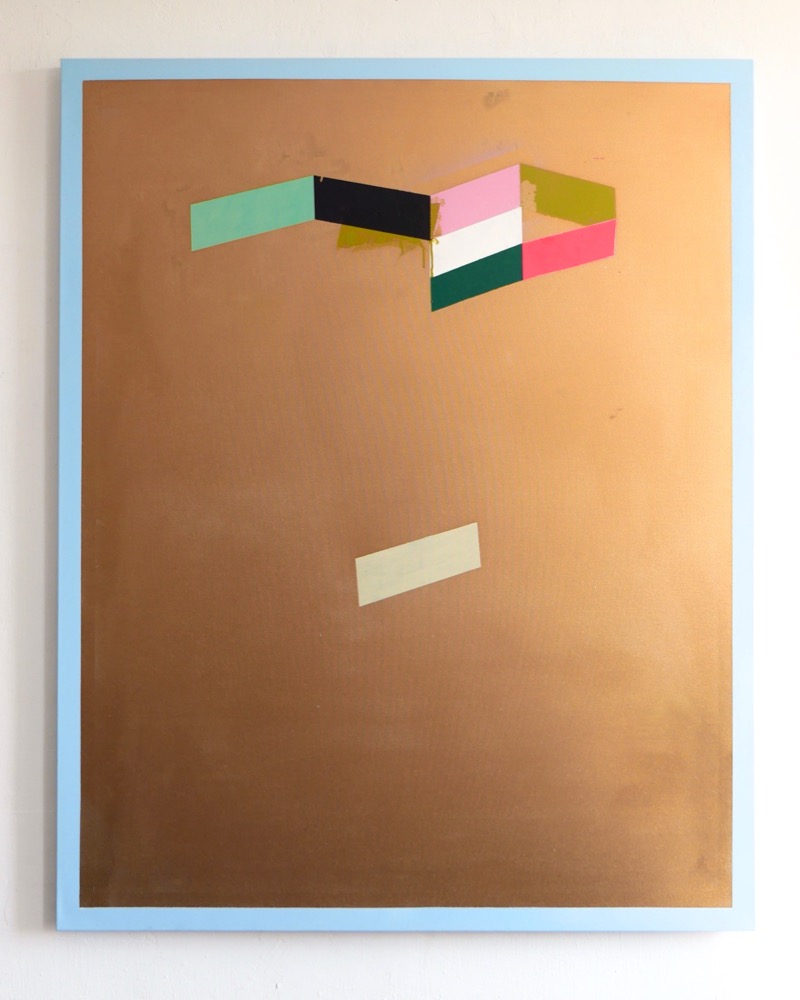
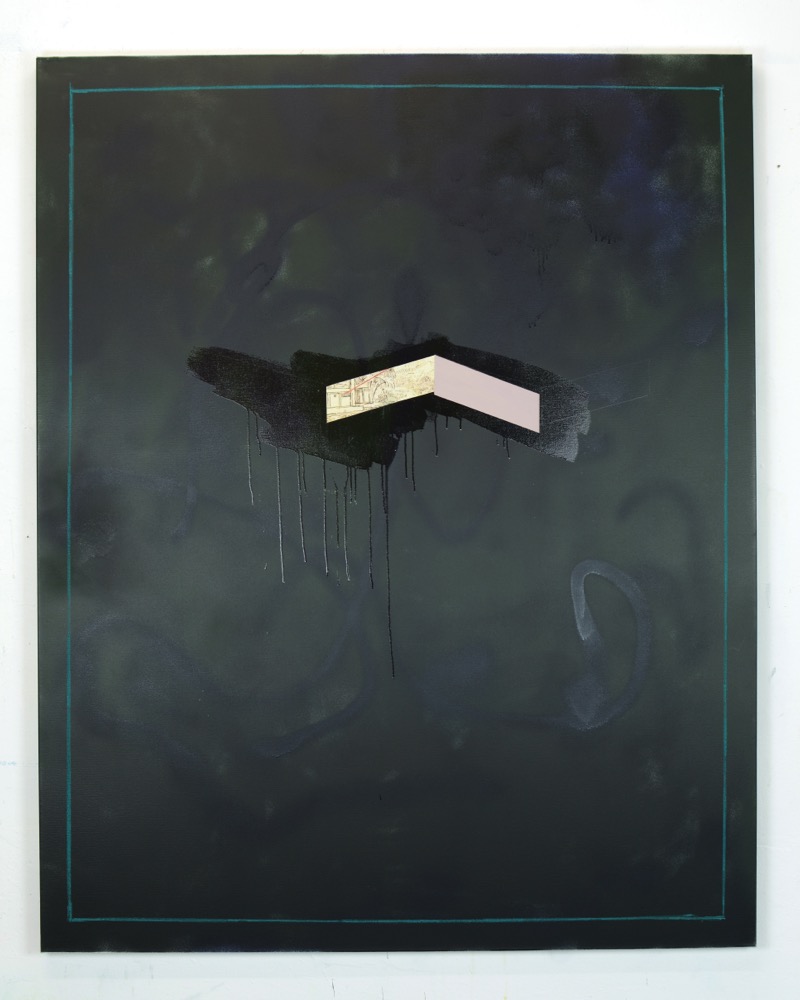
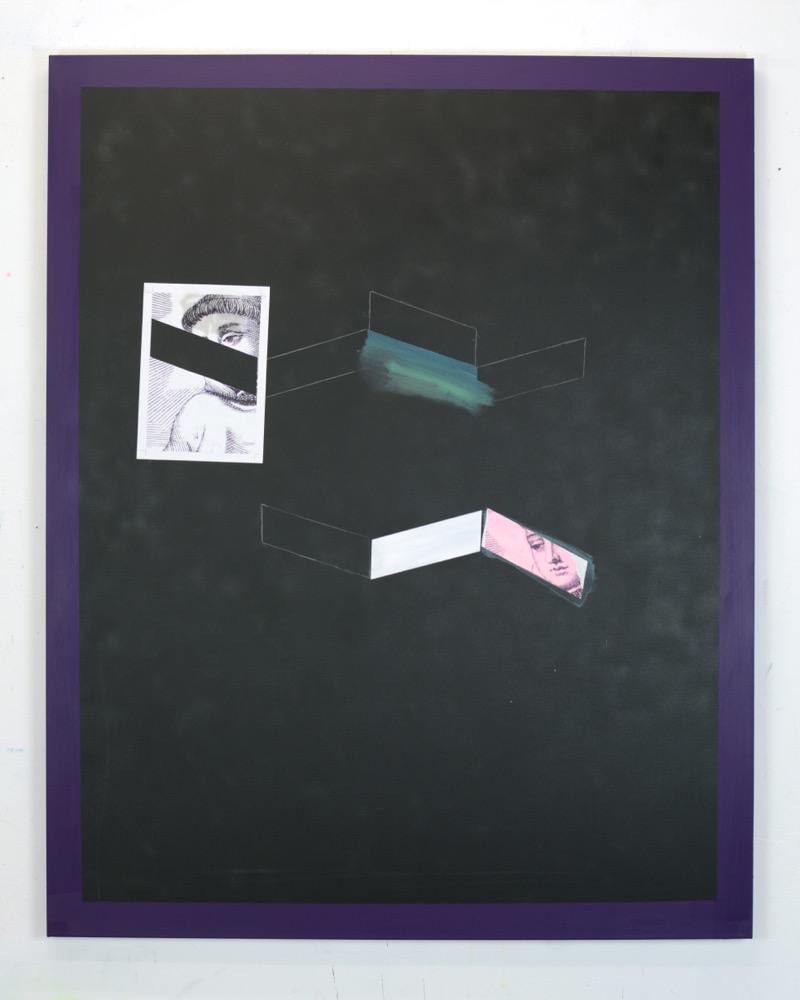
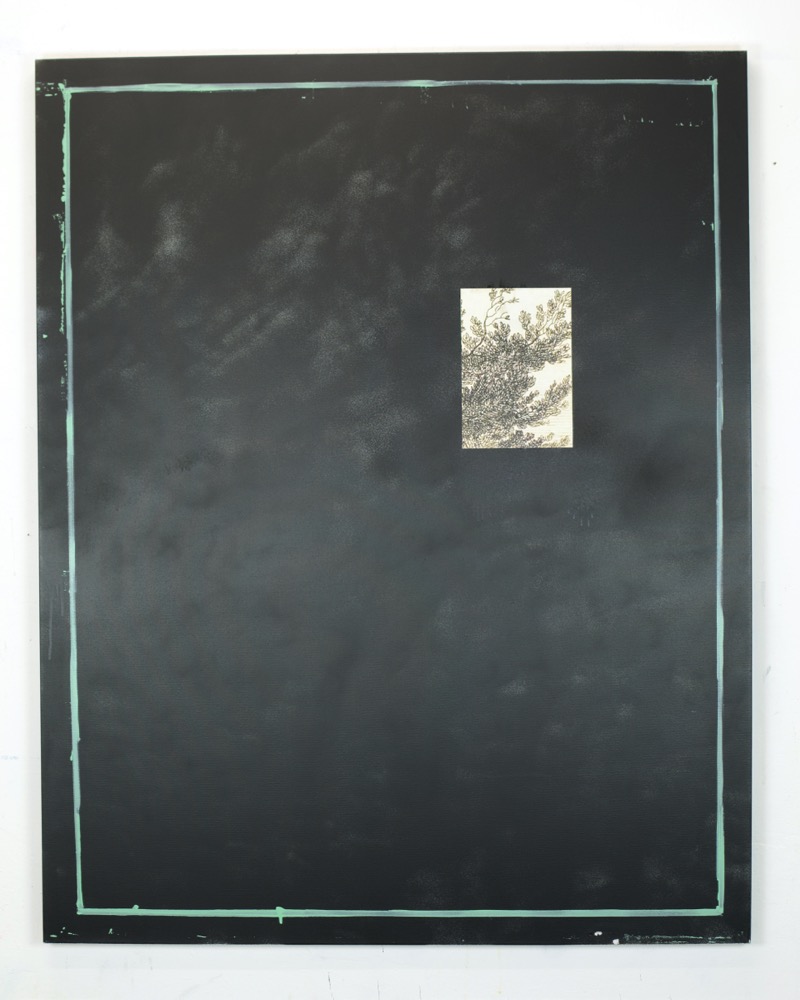
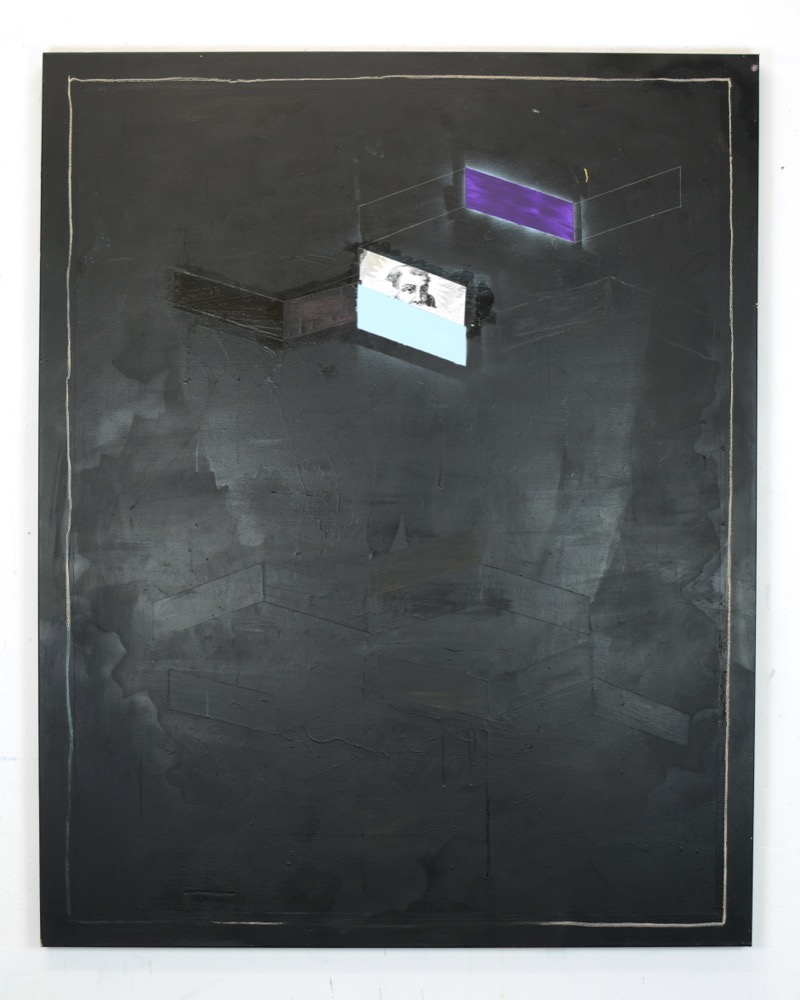
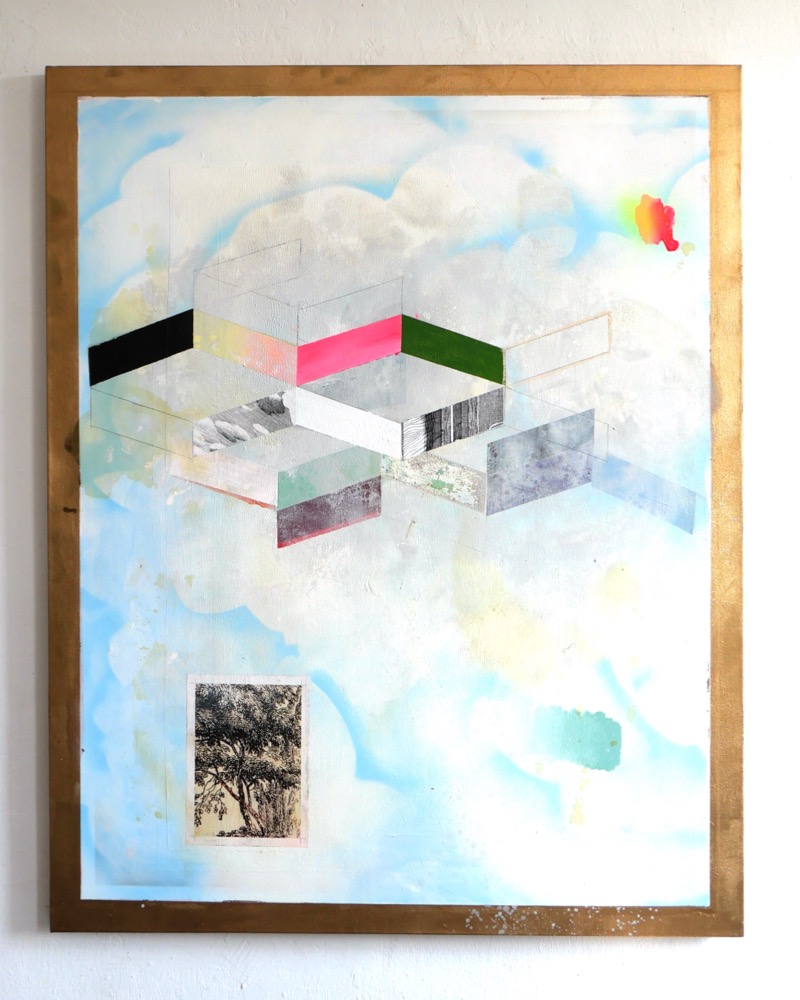
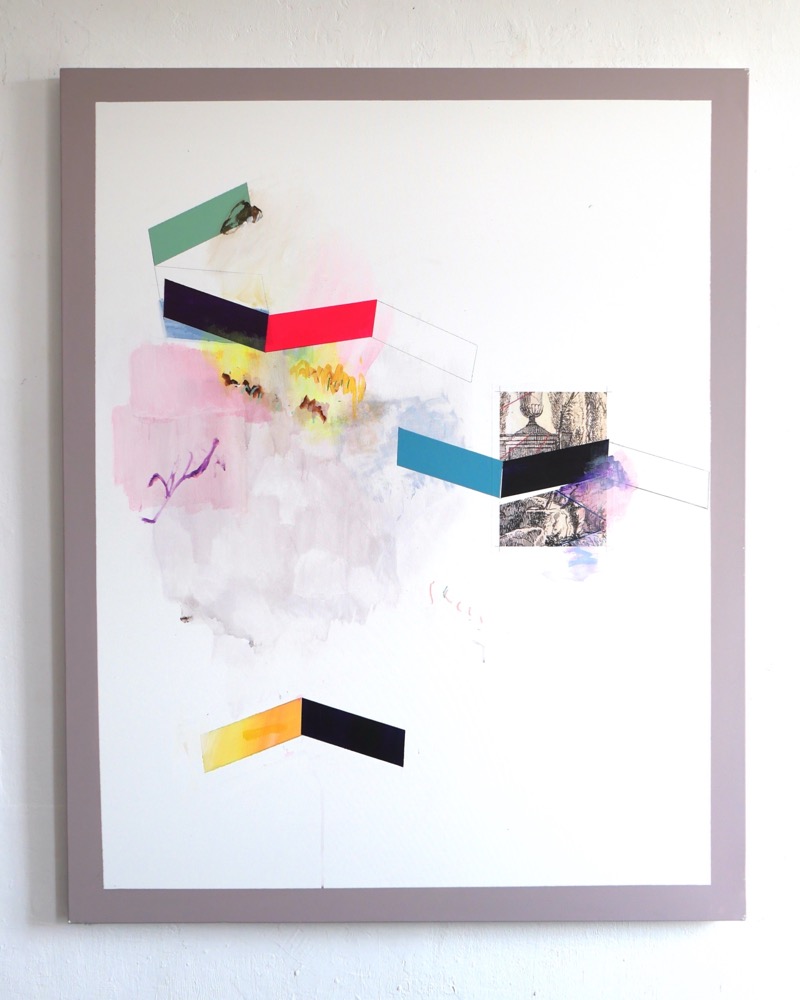
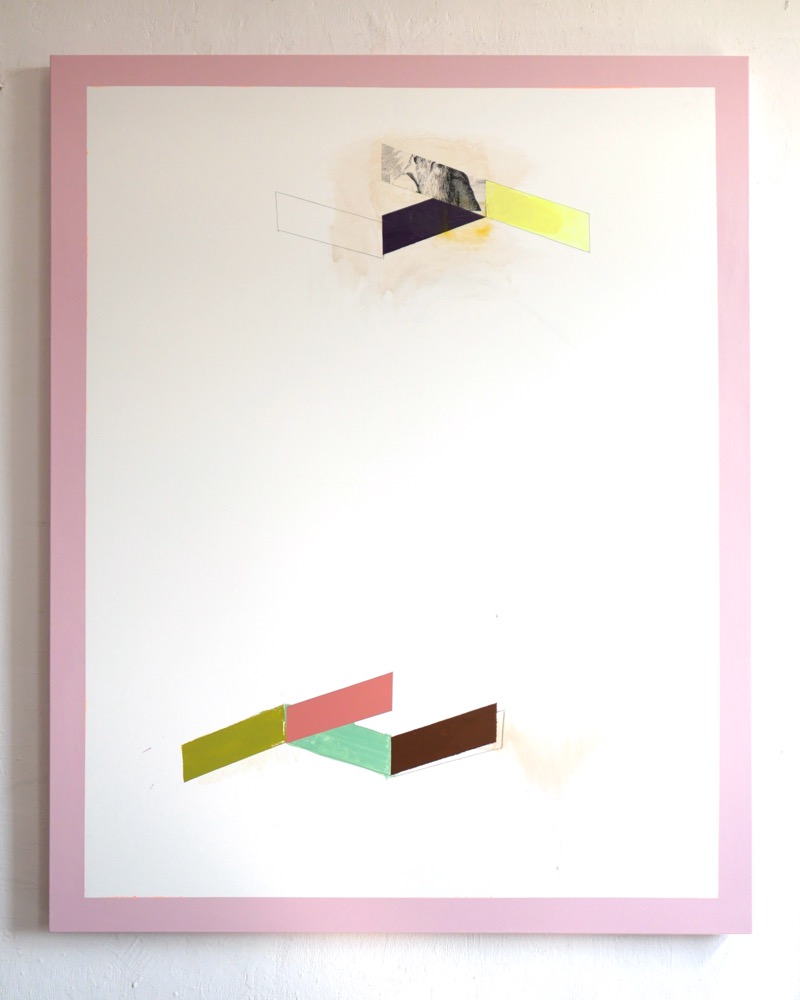
The large-scale painting series Golden Age (2018) explores the idea of the Golden Age—a utopian vision of a past, or perhaps still forthcoming, state of perfect harmony between humanity, nature, the world, and God. Its point of departure lies in the Arcadian imagery of the Renaissance and the Baroque, in which landscapes were conceived as spaces of longing: places of idealized existence beyond social conflict, characterized by balance, contemplation, and a profound unity with nature.
Florian Nährer translates these historical pictorial traditions into a contemporary language of radical reduction. The original narrative elements of the Arcadian landscape are distilled into their essential structural components. Colour, surface, and geometric order replace narrative and illusionistic representation. The diamond shape, recurring throughout the series, functions as an abstract system of order while simultaneously alluding to the symbolic notion of transcendence.
A unifying element of the series is the painted monochrome frame, which serves not merely as a formal boundary but defines each work as an autonomous pictorial space. It recalls the tradition of historical panel paintings and sacred frames, while transforming this heritage into a contemporary abstract vocabulary. The frame becomes a threshold between physical reality and the imagined space of the painting—between the present and the utopian vision of another state of being.
Rather than looking back nostalgically to a lost epoch, Golden Age proposes a vision of humanity's enduring longing for a harmonious existence. It reflects on the possibility that such a state may not belong exclusively to the past or the future, but may instead exist as a timeless condition of spiritual presence.
C 2026